
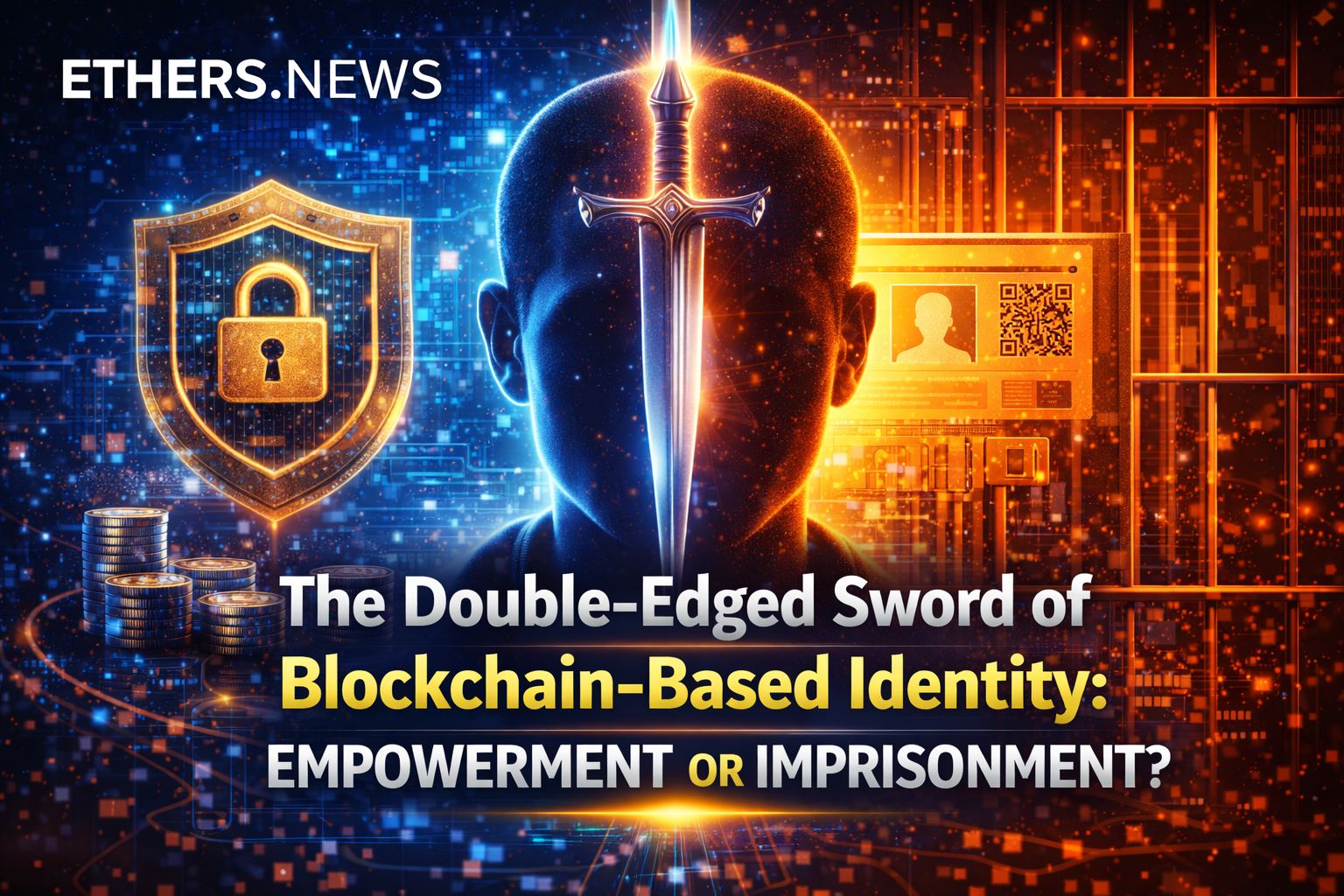
The Double-Edged Sword of Blockchain-Based Identity: Empowerment or Imprisonment?
Introduction to Blockchain-Based Identity
The emergence of blockchain technology has opened up new avenues for identity verification and management. Blockchain-based identity solutions aim to provide individuals with a secure, decentralized, and self-sovereign way to manage their personal data. By utilizing blockchain, users can have full control over who accesses their information and when, potentially mitigating issues related to data breaches and privacy violations.
The Empowerment Aspect: Self-Sovereign Identity
One of the most significant benefits of blockchain-based identity is the concept of self-sovereign identity. This means that individuals can store their identity documents and personal data in a digital wallet that is encrypted and secured by blockchain technology. Users can then choose to share specific aspects of their identity with service providers or institutions, such as banks, governments, or social media platforms, without having to reveal more information than necessary. This approach enhances privacy and reduces the risk of identity theft and fraud.
Risks and Challenges: The Surveillance State
However, the implementation of blockchain-based identity systems also carries significant risks. If not designed with privacy and security in mind, these systems can easily transform into tools for mass surveillance. Governments or large corporations might use such systems to track individuals' activities, movements, and interactions, essentially creating a digital prison that infringes on personal freedom and autonomy. The key challenge is to ensure that these systems are decentralized and that individuals retain full control over their data, without any single entity being able to exploit or misuse it.
Technical and Regulatory Challenges
Technically, blockchain-based identity solutions face issues related to scalability, interoperability, and user adoption. For these systems to be effective, they need to be widely adopted and integrated into existing infrastructure, which requires significant investment and coordination. Additionally, regulatory frameworks are needed to protect users' rights and ensure that these systems comply with data protection laws. The absence of clear regulations can lead to a Wild West scenario, where unethical practices and data misuse become rampant.
Case Studies: Examples of Blockchain-Based Identity in Action
Several countries and organizations have started exploring the use of blockchain for identity verification. For example, Estonia has implemented a blockchain-based identity system for its citizens, allowing them to securely access public services. Similarly, the United Nations is working on a blockchain-based identity project aimed at providing refugees with secure and portable identification. These initiatives demonstrate the potential of blockchain-based identity to empower marginalized communities and improve access to essential services.
Path Forward: Balancing Empowerment and Security
To ensure that blockchain-based identity solutions empower rather than imprison us, it is crucial to prioritize privacy, security, and decentralization. This involves developing systems that are transparent, auditable, and resistant to censorship. Furthermore, regulatory bodies must work closely with technology developers and civil society organizations to establish and enforce standards that protect users' rights and prevent abuses. By striking the right balance between security, privacy, and convenience, we can unlock the full potential of blockchain-based identity to improve lives and safeguard individual freedoms.
Conclusion: The Future of Identity in the Digital Age
In conclusion, the advent of blockchain-based identity marks a significant shift in how we think about personal data and digital identity. While it offers unparalleled opportunities for self-sovereign identity and data protection, it also poses risks of surveillance and control. As we navigate this complex landscape, it is essential to engage in open dialogue, foster international cooperation, and support technological innovations that prioritize human rights and dignity. Only through a collaborative and informed approach can we harness the power of blockchain-based identity to create a more equitable, free, and transparent digital world for all.
Tags
About the Author
Jeffrey Mathew
Jeffrey is a blockchain journalist for ethers.news, specializing in decentralized finance (DeFi) and Ethereum governance and Cryptocurrencies
-At Ethers.News, we are committed to delivering accurate, transparent, and well-researched information related to cryptocurrency, blockchain, and digital assets. Our content is created for educational and informational purposes only and should not be considered financial, investment, or legal advice. We encourage readers to conduct their own research and consult with qualified professionals before making any financial decisions. Market conditions can change rapidly, and past performance does not guarantee future results. Our goal is to promote informed decision-making through responsible journalism.