
FCA's Stablecoin Sandbox Goes Live: UK Positions for Regulated Crypto Payments Leadership
From Announcement to Activation: Sandbox Cohort Now Testing
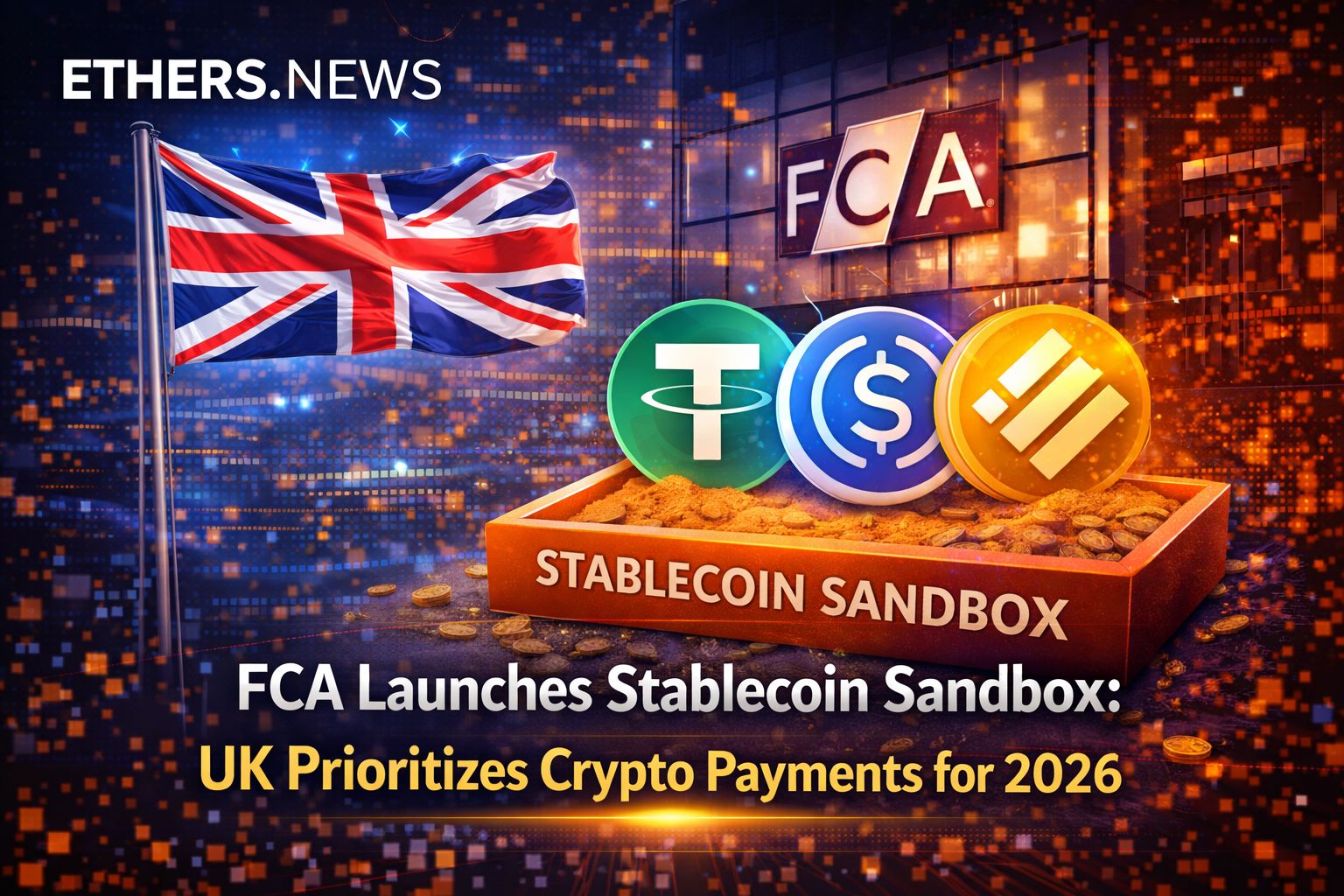
On November 26, 2025, the FCA opened applications for its dedicated stablecoin cohort inside the Regulatory Sandbox, a controlled environment where firms test innovative products under live conditions with FCA oversight. The deadline—January 18, 2026—has passed, and successful participants are now operational, publicly listed on the FCA website as they trial GBP stablecoin issuance, redemptions, and transactional use cases with real or simulated customers.
This cohort targets prospective UK stablecoin issuers, custodians, wallet providers, and payment firms preparing for the comprehensive regime anticipated in October 2027. Unlike general innovation testing, this focused group allows live experimentation with algorithmic stabilization models (under strict controls), reserve management, and end-to-end payment flows—outcomes that will directly calibrate final FCA, Bank of England (BoE), and HM Treasury rules. Stablecoin Payments as FCA's 2026 North Star
FCA Executive Director of Waivers and Competitions David Geale emphasized stablecoins as a cornerstone of the regulator's 2026 agenda during a February 5 speech, declaring them essential for "faster and more convenient payments" in both retail and wholesale settings. In a letter to Prime Minister Sir Keir Starmer, the FCA outlined plans to "finalise digital assets rules and progress UK-issued sterling stablecoins," signaling accelerated rulemaking alongside sandbox learnings.
"It’s a unique chance for innovative firms to test their stablecoin products and services under the UK’s evolving regulatory regime—potentially driving new ideas to benefit both wholesale and retail customers."
— David Geale, FCA Executive Director
This priority aligns with broader growth measures: the FCA reported meeting its 2025 commitments early, including enhanced supervision and innovation support, positioning 2026 as the year UK stablecoins transition from experimentation to market reality. Fca.org
The Sandbox in Action: What Firms Are Testing
Live Issuance and Redemption Trials
Participants in the cohort conduct supervised tests of core stablecoin functions: minting GBP-pegged tokens backed by high-quality reserves, processing 1:1 redemptions, and executing transfers via smart contracts or traditional rails. One major firm was already live-testing a GBP coin upon launch, demonstrating operational readiness with real market data—a rarity in regulatory sandboxes that typically limit scale.
Testing extends to edge cases: stress scenarios for reserve liquidity, failover mechanisms during volatility, and integration with legacy payment systems like Faster Payments. Feedback from these trials will refine CP25/14 consultation proposals on disclosures, redemption rights, and prudential standards, ensuring rules reflect real-world viability.
RegTech and Transparency Boost
Complementing issuer tests, RegTech firm Eunice entered the sandbox to develop industry-led disclosures for cryptoassets, partnering with Coinbase, Crypto.com, and Kraken. This initiative aims to standardize risk warnings, making digital assets "safe and more secure" by ensuring consumers grasp volatility and illiquidity before purchase.
UK's Broader Stablecoin Roadmap: Coordination Across Regulators
The FCA sandbox synchronizes with parallel efforts. The BoE's November 2025 consultation proposes rules for "systemic" sterling stablecoins—those exceeding activity thresholds—covering resilience, recovery, and wind-down plans. HM Treasury's Phase 2 stablecoin consultation, closing early 2026, will consolidate inputs into legislation targeting October 2027 implementation. Bankofengland.co
Bird & Bird's 2026 outlook highlights payments and cryptoasset convergence: firms must prepare for dual FCA/BoE oversight, with stablecoins potentially qualifying under both payment services and systemic designations. Sidley's action points urge 2026-27 readiness, including reserve audits and custody arrangements.
Global Context: UK Differentiates from EU MiCA and US Uncertainty
Unlike the EU's MiCA "stablecoin cliff" on March 1, 2026—which mandates compliance or delisting—the UK's phased sandbox-to-regime approach offers innovation breathing room. FCA's emphasis on GBP stablecoins contrasts US dollar dominance, potentially capturing cross-border flows while aligning with post-Brexit competitiveness goals.
Industry advocates like CryptoUK's Ian Taylor hailed it as "the clearest signal yet that Britain intends to be the global home for responsible stablecoin innovation," positioning the UK ahead of peers tightening rules amid market routs.
Eligibility, Application, and Next Steps
Successful applicants demonstrated readiness: appropriate permissions, resources, detailed test plans aligned with CP25/14, and scalability potential. Unsuccessful firms received feedback, with March 2026 policy sprints planned to explore retail/wholesale use cases and refine regulation gaps.
Public listing of cohort members acts as a "regulatory seal of approval," aiding fundraising and partnerships while signaling market trust. Outcomes will feed into final rules, with FCA committing to proportionate oversight that fosters growth without stifling experimentation.
Market Implications: First-Mover Advantages and Risks
Sandbox graduates gain credibility for wholesale payments, treasury operations, and DeFi integrations, potentially unlocking billions in institutional adoption. Retail pilots could embed stablecoins in e-commerce and remittances, challenging legacy providers on speed and cost.
Risks remain: over-reliance on untested reserves, interoperability challenges, and consumer protection gaps if scale outpaces safeguards. Yet the structured path—sandbox testing to supervised rollout—mitigates these, distinguishing UK innovation from unregulated alternatives.
What 2026 Holds: From Testing to Transformation
By prioritizing stablecoins, the FCA aims to deliver programmable payments that settle instantly, reduce friction, and enhance financial inclusion. Coordinated with BoE's Digital Securities Sandbox, this could pioneer tokenized deposits and DvP settlements, bridging TradFi and blockchain.
The UK's stablecoin push underscores regulated crypto's momentum: not just tolerance, but active enablement. As global peers deliberate, Britain's sandbox pioneers the payments layer of tomorrow—turning regulatory caution into competitive edge.
About the Author
Jeffrey Mathew
Jeffrey is a blockchain journalist for ethers.news, specializing in decentralized finance (DeFi) and Ethereum governance and Cryptocurrencies
-At Ethers.News, we are committed to delivering accurate, transparent, and well-researched information related to cryptocurrency, blockchain, and digital assets. Our content is created for educational and informational purposes only and should not be considered financial, investment, or legal advice. We encourage readers to conduct their own research and consult with qualified professionals before making any financial decisions. Market conditions can change rapidly, and past performance does not guarantee future results. Our goal is to promote informed decision-making through responsible journalism.